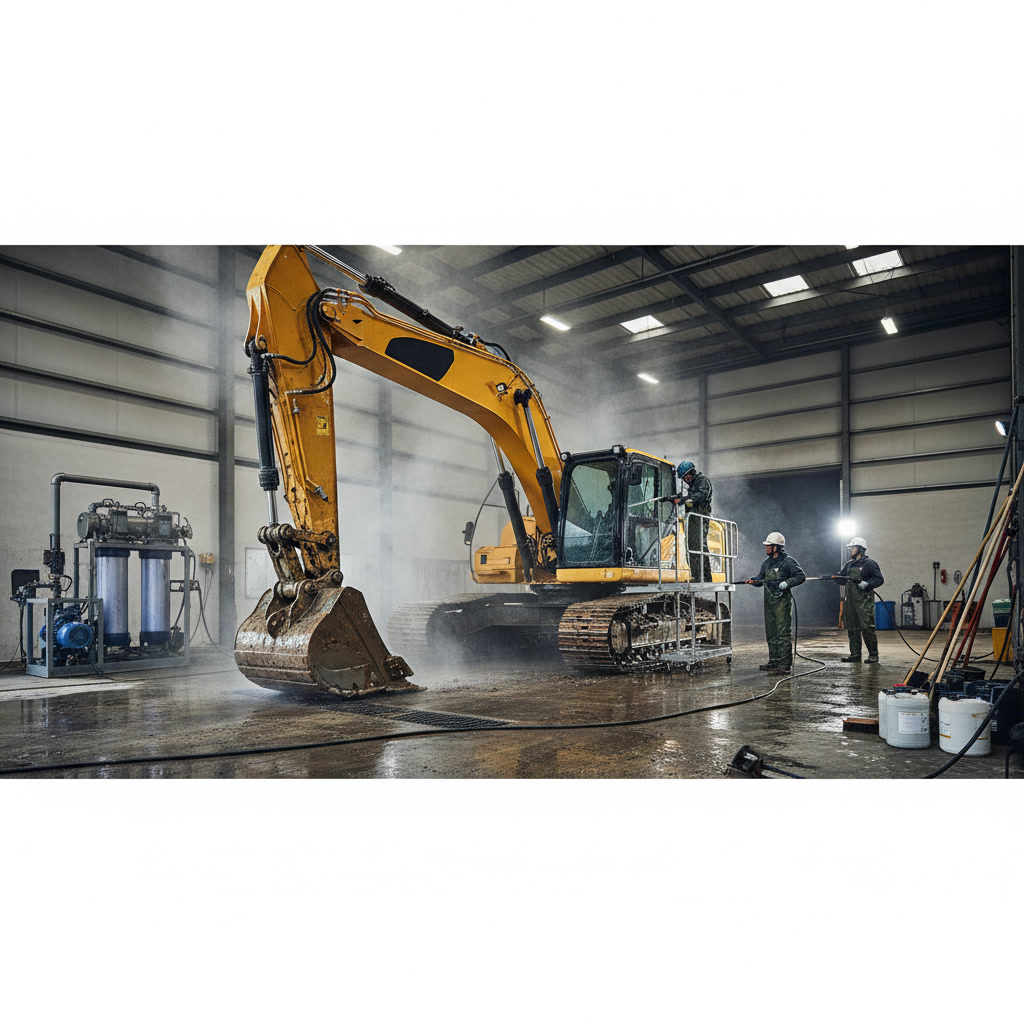
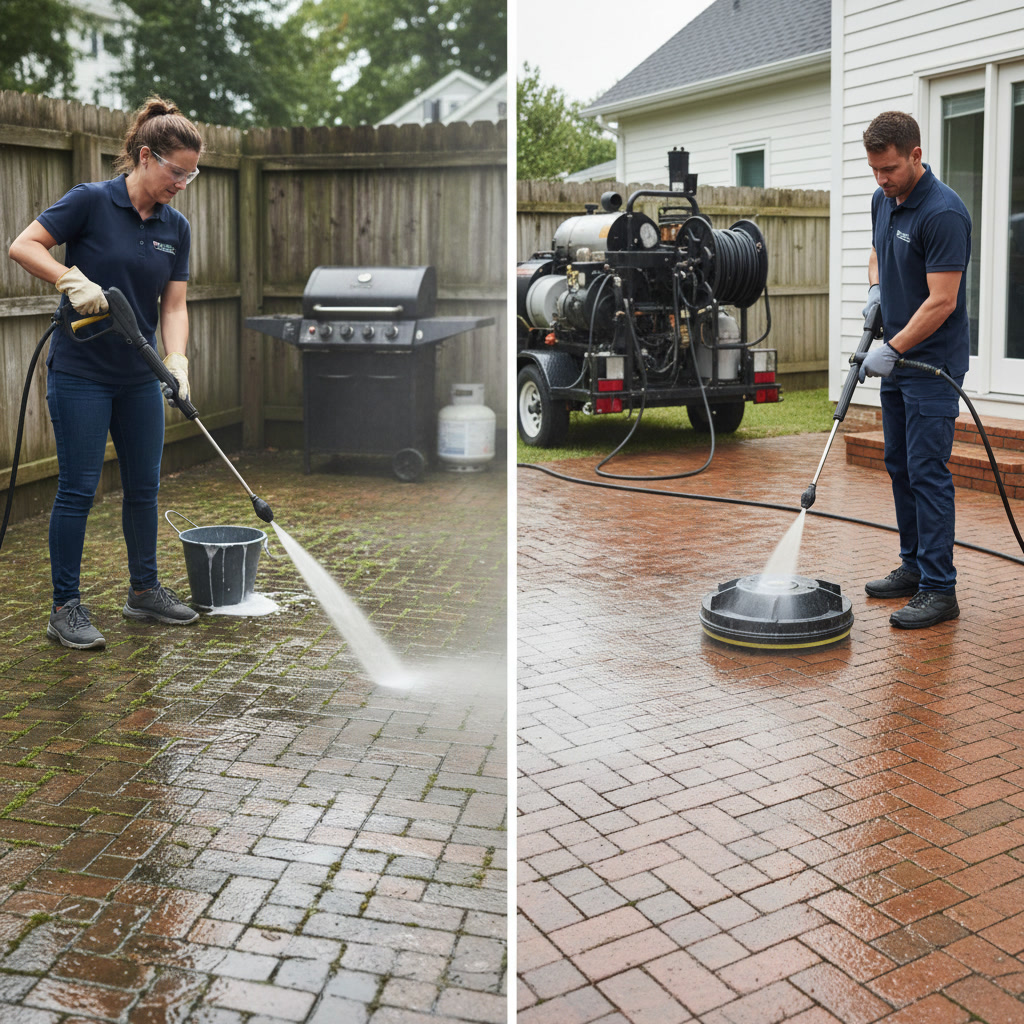
Consumer pressure washers can handle basic patio furniture, small decks, and vehicles, but they lack the PSI, GPM, and specialized attachments to safely clean roofing, multi-story exteriors, or stubborn concrete stains. Understanding DIY power washing limits saves homeowners from equipment damage, personal injury, and incomplete results that require professional correction. Most rental and homeowner units max out at 2,000-3,000 PSI, while commercial systems deliver 3,500-8,000 PSI with adjustable pressure, hot water capability, and surface cleaners that prevent streaking.
The Real Capabilities of Consumer Power Washers
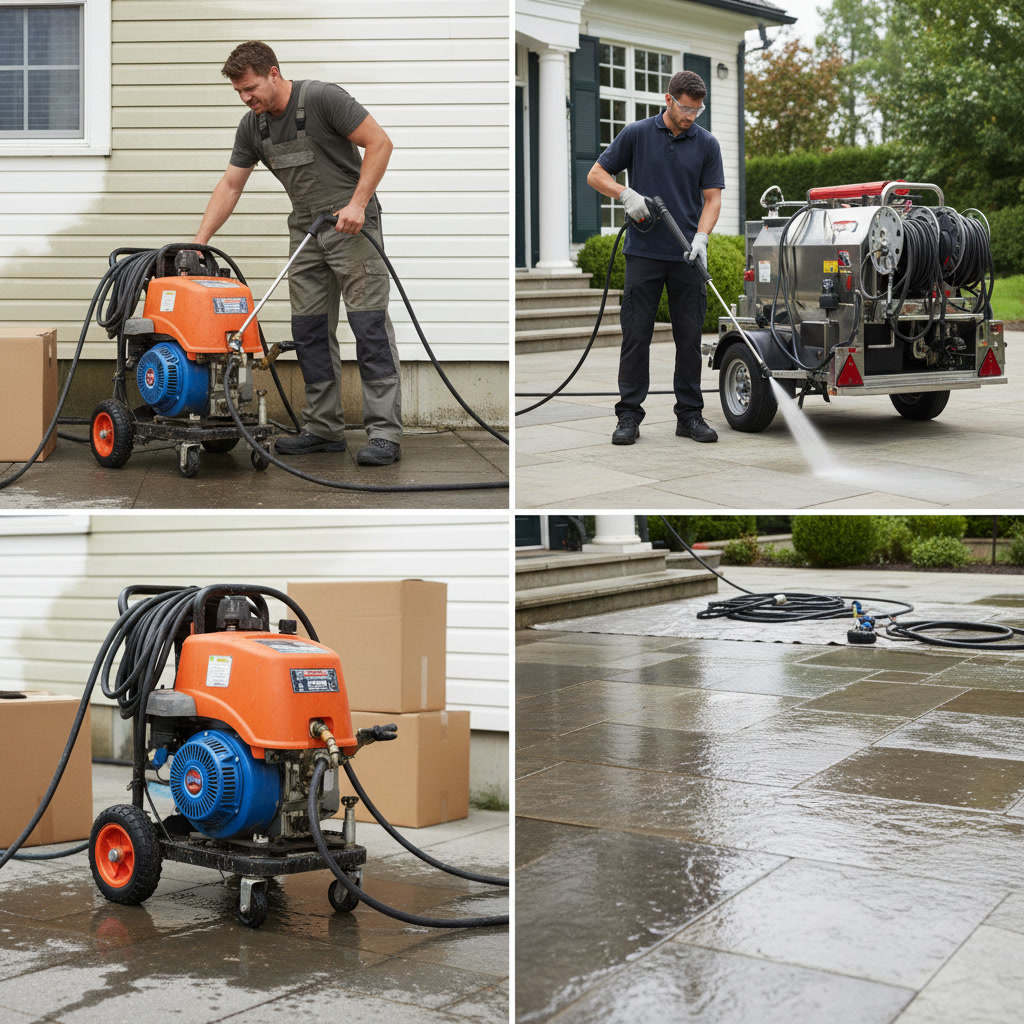
A typical big-box store pressure washer runs between 1,300 and 2,500 PSI with 1.2 to 2.5 gallons per minute. These machines handle light-duty jobs like washing cars, cleaning outdoor furniture, and removing surface dirt from small patios. The electric models weigh less and cost less upfront, but they tie you to an outlet and lack the sustained power for larger surfaces.
Gas-powered consumer units deliver slightly more pressure, but most still fall short of the commercial threshold. They work well for wooden decks under 200 square feet, vinyl siding at ground level, and garage floors with minimal oil staining. Beyond these tasks, the combination of low pressure and limited water flow means you spend hours on projects that professional equipment finishes in 30 minutes.
Projects That Work Well for DIY Cleaning
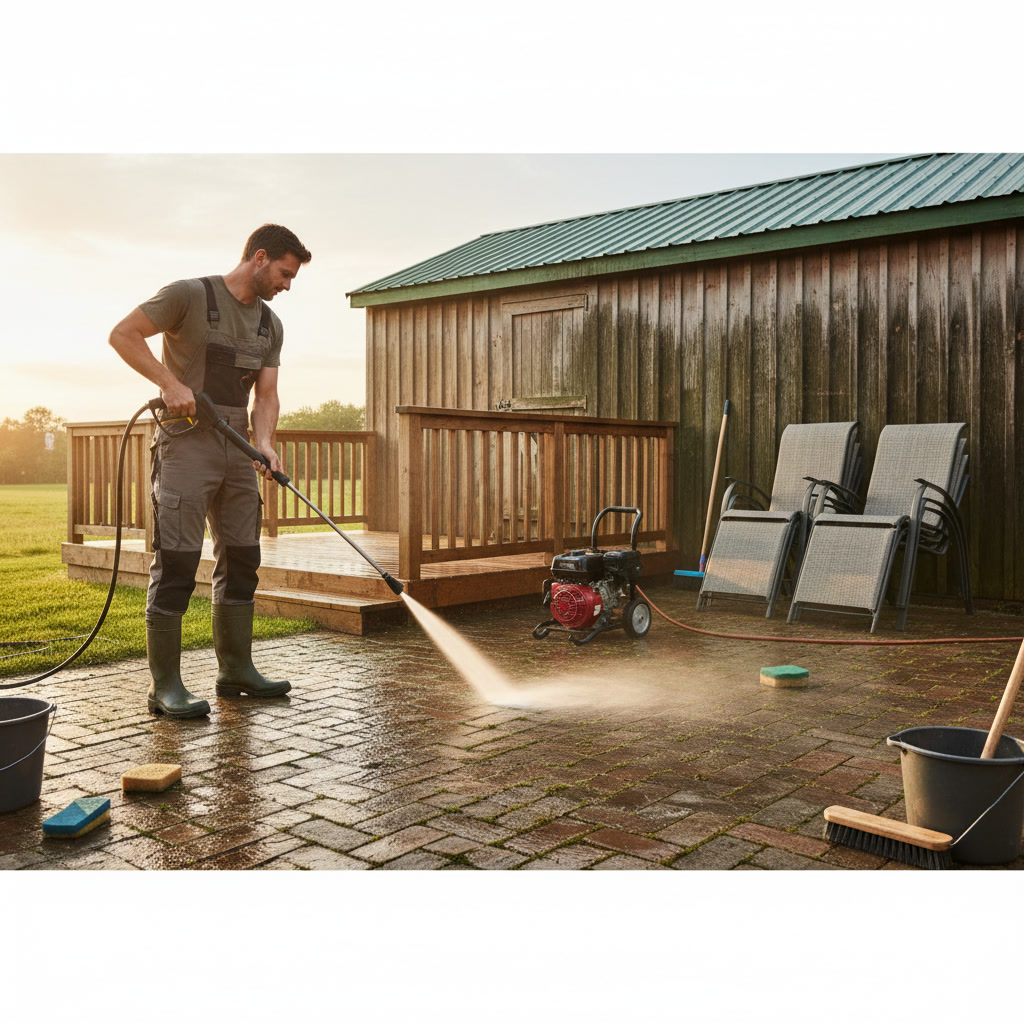
Homeowners achieve solid results on outdoor furniture, especially resin and metal pieces that tolerate direct spray. Garden tools, trash bins, and playground equipment also clean up nicely with a basic wand and 25-degree nozzle. Vehicles and boats represent another safe category, provided you maintain proper distance and avoid painted or decaled surfaces at close range.
Small wood decks respond well to consumer washers when you use a fan tip and keep the nozzle moving. Static spray gouges wood fibers and leaves permanent marks. Walkways and small concrete slabs clean reasonably well if the stains are fresh and surface-level. Older oil stains, rust deposits, and organic growth require heated water and specialized degreasers that most DIY setups cannot deliver.
Where Home Equipment Falls Short
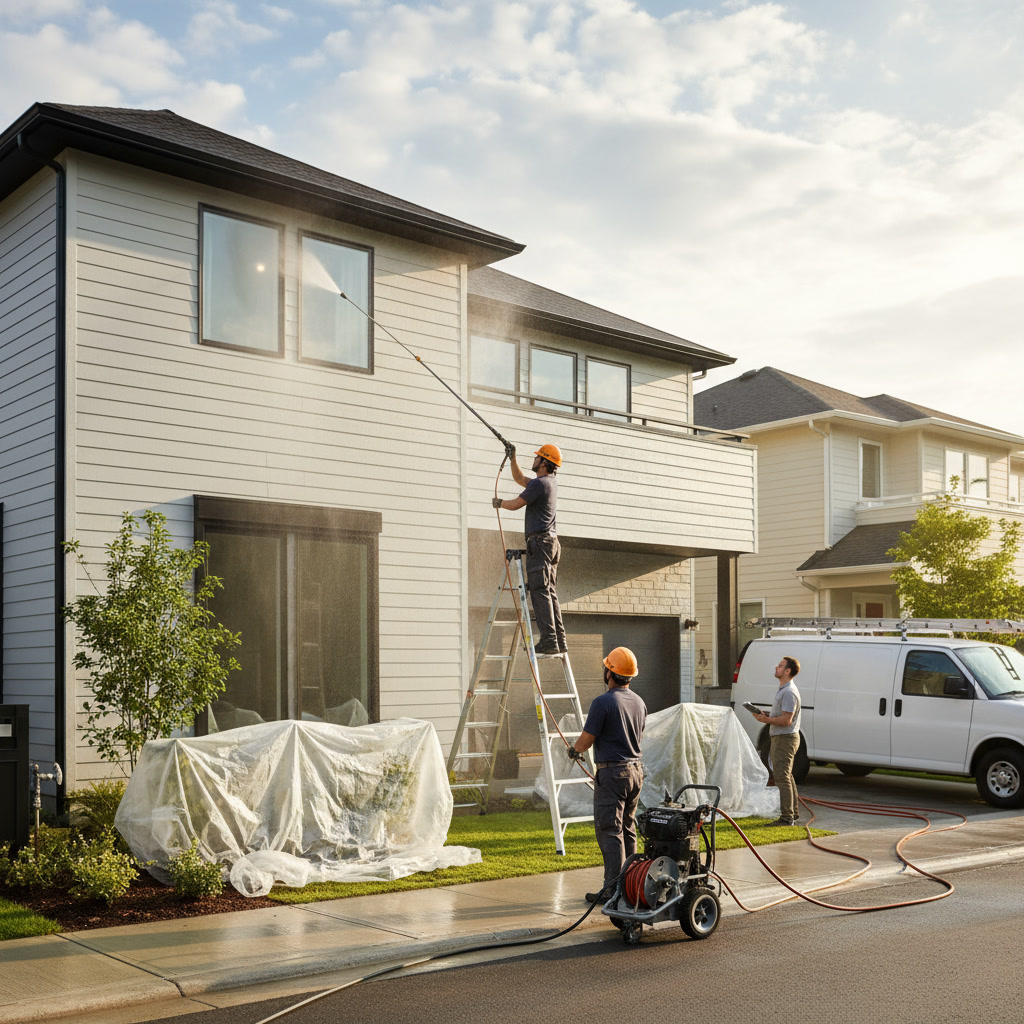
Two-story homes, stucco exteriors, and any surface above 12 feet present immediate safety and effectiveness problems. Extension wands add reach but sacrifice control, and climbing ladders while managing a high-pressure hose creates serious fall risk. Consumer washers also lack the pressure consistency to remove embedded dirt from textured surfaces like brick or stone veneer.
Roofing materials demand soft washing techniques that use low-pressure chemical application rather than brute force. Standard pressure washing strips shingle granules, forces water under flashing, and voids manufacturer warranties. Algae, moss, and lichen require specific biocides and dwell time, not high PSI that merely spreads spores to new areas.
The Equipment Gap Between Consumer and Commercial Systems
Professional rigs start at 3,500 PSI and scale up to 8,000 PSI for industrial work. More importantly, they pair that pressure with 4 to 8 GPM flow rates, which means the system moves more water through the cleaning surface. Higher flow rates rinse away loosened debris faster and prevent the streaking common with underpowered units.
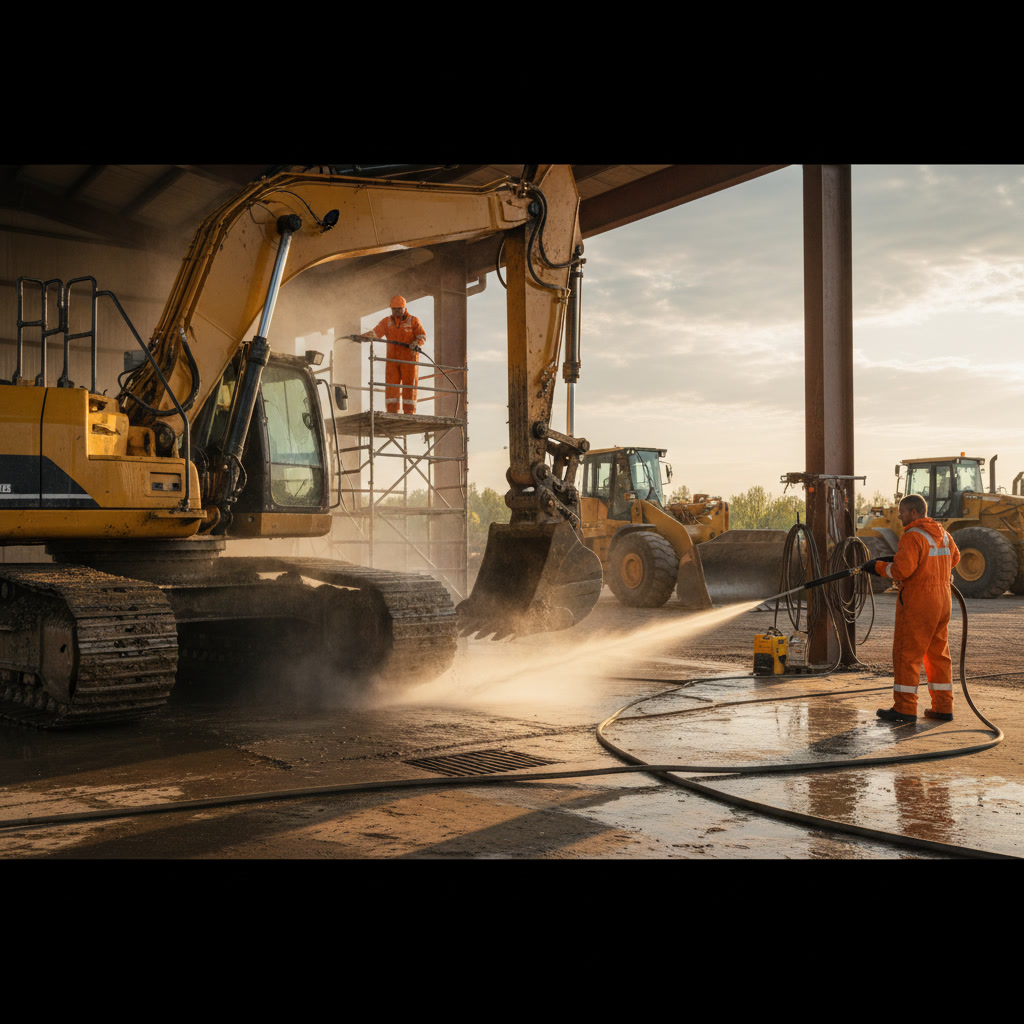
Hot water capability separates true commercial machines from consumer models. Heating elements or burner systems raise water temperature to 200 degrees Fahrenheit, cutting through grease, oil, and organic stains that cold water cannot touch. This feature proves essential for driveways with years of accumulated automotive fluids and for commercial kitchens or heavy equipment cleaning where baked-on grime resists chemical treatment alone.
Surface cleaners, rotating bar attachments, and adjustable unloaders give professionals precise control over pressure and coverage. A 24-inch surface cleaner with dual rotating jets cleans concrete four times faster than a wand and eliminates the zebra striping that DIY operators leave behind. Professionals also carry multiple tips, extension poles, chemical injectors, and downstream mixers that adapt to each surface type and contamination level.
When Concrete Requires Professional Attention
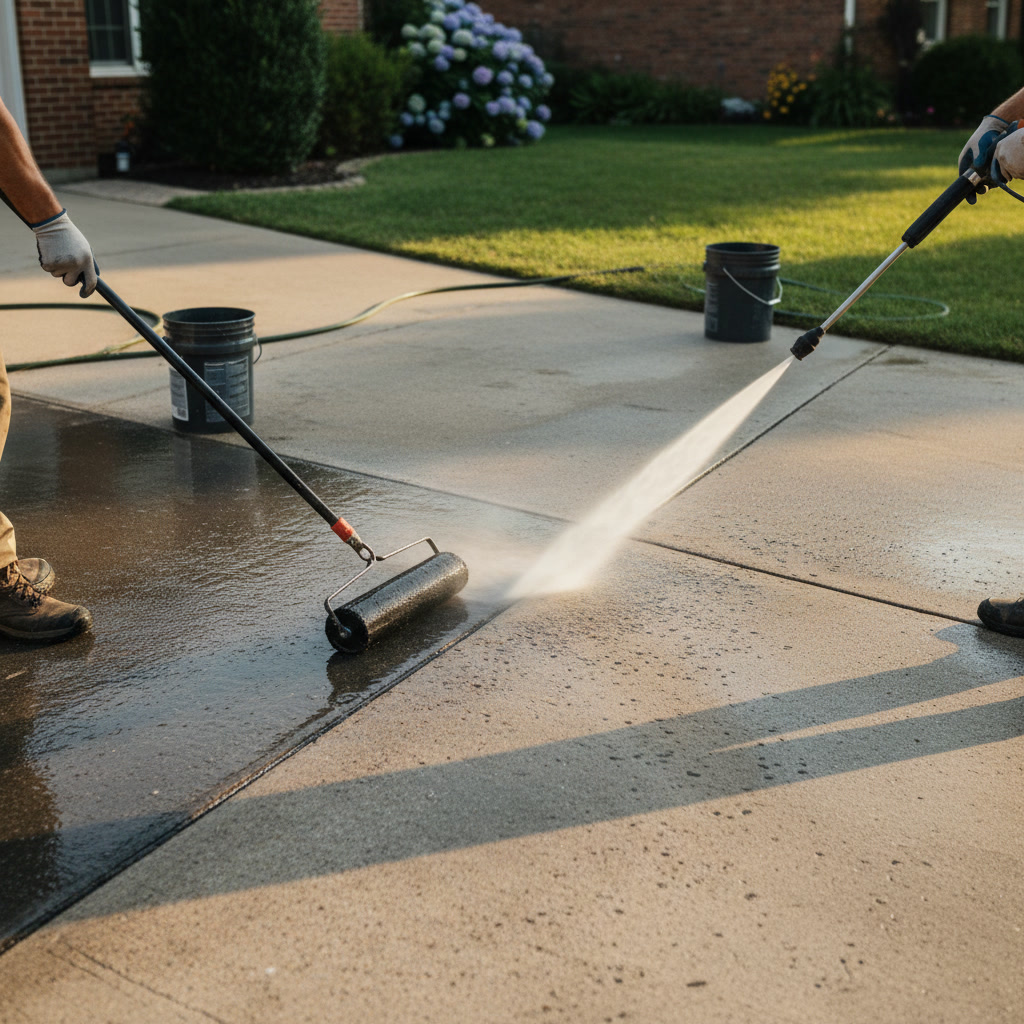
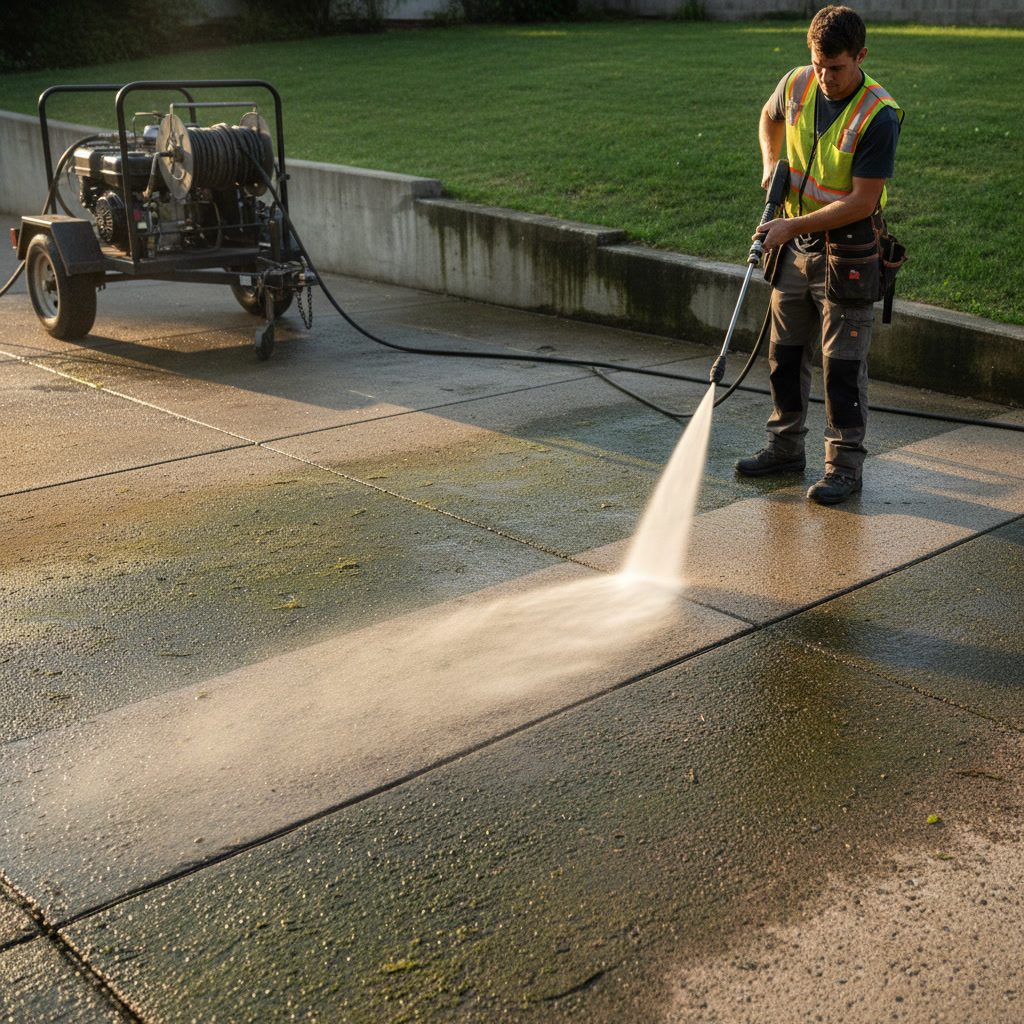
Driveways, large patios, and commercial flatwork exceed the practical limits of homeowner equipment. A 500-square-foot driveway takes six to eight hours with a consumer wand versus 90 minutes with a commercial surface cleaner. The professional result shows uniform color and zero striping, while DIY efforts often leave visible lines and missed spots.
Oil stains, rust, and tire marks penetrate concrete pores and bond to the aggregate. These require hot water, degreasers, and extended dwell time. Consumer washers cannot heat water, and their low flow rates rinse away chemicals before they break down the bond. If you need concrete cleaning that restores original color and prepares surfaces for sealing, commercial equipment becomes non-negotiable.
Safety Risks Homeowners Underestimate in Patchogue
Pressure washing injuries send thousands to emergency rooms annually, with lacerations being the most common. A zero-degree nozzle at 2,000 PSI cuts skin instantly, and the wound often introduces bacteria deep into tissue. Homeowners frequently underestimate kickback force when the trigger engages, leading to falls from ladders or loss of control on wet surfaces.
Electrical hazards multiply when using extension cords with electric washers near puddles or wet grass. Gas-powered units produce carbon monoxide, which accumulates in garages or enclosed spaces if operators ignore ventilation. Chemical mixing errors also create problems when homeowners combine bleach with ammonia-based cleaners, releasing toxic chloramine gas.
Professional crews train on ladder safety, wear protective gear, and carry liability insurance that covers property damage from errant spray or pressure-induced surface failure. When a project involves heights, chemical application, or valuable landscaping nearby, the risk-reward calculation favors hiring specialists who know how to avoid common pitfalls.
Why Siding and Exterior Surfaces Demand Specialized Knowledge
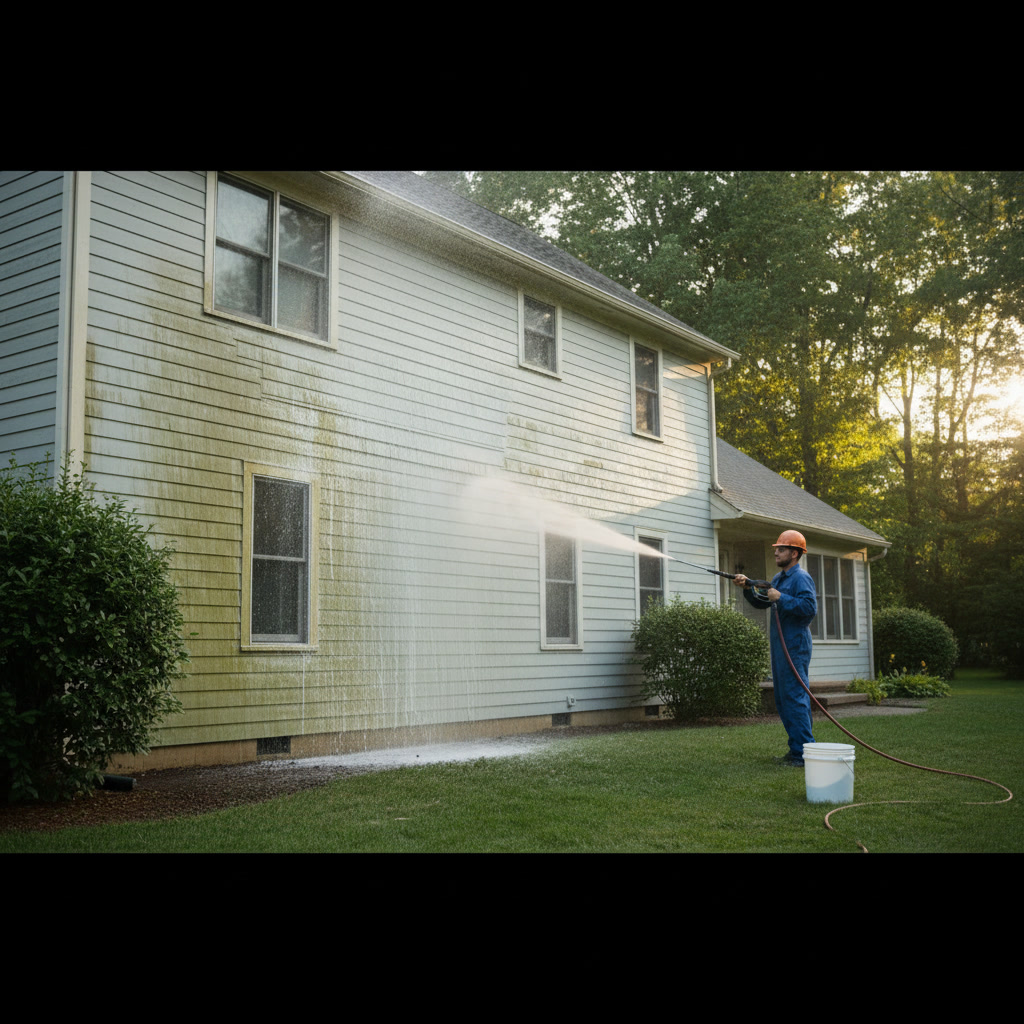
Vinyl, fiber cement, stucco, and wood siding each require different pressure levels, nozzle angles, and cleaning solutions. Vinyl cracks under excessive pressure or when spray angles force water behind panels. Fiber cement tolerates higher PSI but still suffers from streaking if the operator moves too slowly or uses inconsistent overlapping passes.
Wood siding and trim present the greatest challenge. Too much pressure raises grain, splinters corners, and drives water into end cuts where rot begins. Too little pressure leaves dirt and mildew in place. Professionals adjust pressure on the fly, test inconspicuous areas first, and apply wood brighteners or sealers after cleaning to restore natural color and protect against UV damage.
Understanding exterior cleaning services means recognizing that surface prep and post-treatment matter as much as the wash itself. Homes in coastal areas or shaded lots accumulate mold and algae faster, requiring biocide pre-treatment and longer dwell times that consumer schedules rarely accommodate.
Rental Units Versus Owned Professional Equipment
Home improvement stores rent 3,000 PSI gas units that bridge the gap between consumer and commercial performance. These machines handle mid-size driveways and two-story homes better than homeowner models, but they lack hot water, surface cleaners, and the maintenance history that ensures reliable operation.
Rental units often arrive with worn seals, clogged injectors, or tips damaged by previous users. You pay by the day, so weather delays or learning curves cost extra. Professional services own their equipment, maintain it rigorously, and include all consumables like detergent, surface cleaners, and specialized tips in the flat project rate. If the machine fails mid-job, the crew brings a backup rather than leaving your half-cleaned driveway until the rental store opens Monday morning.
Cost Comparison That Accounts for Time and Rework
A consumer pressure washer costs $150 to $500, while rentals run $75 to $150 per day. Add detergent, safety glasses, and the value of six to eight hours of labor, and a DIY driveway project totals $200 to $300 in out-of-pocket and opportunity cost. Professional services complete the same driveway in 90 minutes for $250 to $400, delivering superior results without streaks, missed spots, or damage that requires repair.
Rework represents the hidden cost of DIY attempts. Homeowners who strip paint from siding, gouge deck boards, or leave oil stains only partially removed end up calling professionals to fix the damage and finish the job correctly. That second visit costs more than the original quote would have, because the crew must first repair surfaces before cleaning them.
The return on investment for owning consumer equipment makes sense only if you clean small items monthly and never tackle large surfaces. For annual or biannual whole-house cleaning, professional services deliver better results at comparable total cost when you factor in time, consumables, and the risk of costly mistakes.
Choosing the Right Partner for Professional Results
Homeowners who recognize their limits and prioritize quality outcomes benefit from partnering with licensed, insured companies that operate commercial-grade equipment. Look for businesses with verifiable reviews, documented training, and clear project scopes that specify pressure settings, cleaning agents, and surface preparation steps.
With 20 years of experience and a five-star HomeAdvisor rating, JV Power Washing INC brings the equipment, expertise, and insurance coverage that residential projects demand. Family-owned operations often provide more consistent crews and direct communication with decision-makers, which matters when unexpected challenges arise mid-project. Whether your home needs power washing services or delicate soft washing for sensitive surfaces, matching the right tool and technique to each material prevents damage and extends surface life.
Ask potential contractors about their equipment specifications, chemical selection process, and how they protect landscaping and adjacent surfaces. Companies that rush through estimates or offer prices far below competitors often cut corners on dwell time, skip pre-treatment, or use excessive pressure to speed completion. Quality work requires proper equipment, trained operators, and enough time to do the job correctly the first pass.
Making the Smart Decision for Your Property
Understanding what consumer equipment can and cannot accomplish helps you allocate time and budget effectively. Small, low-risk projects like patio furniture and vehicles suit DIY approaches, while large surfaces, delicate materials, and height work justify professional intervention. The gap between 2,000 PSI cold water and 4,000 PSI hot water with surface cleaners represents the difference between hours of frustration and professionally finished results.
Homeowners who value their time, prioritize safety, and want guaranteed outcomes find that professional services deliver measurable value beyond the equipment itself. Trained technicians spot underlying issues like loose siding, cracked mortar, or failing caulk that amateurs miss, and they adjust techniques in real time to protect your investment.
If your property includes large concrete areas, multi-story exteriors, or surfaces with years of accumulated staining, the investment in professional-grade equipment and expertise pays immediate dividends in appearance and long-term maintenance costs. JV Power Washing INC serves homeowners throughout Long Island with the commercial systems and hands-on experience that transform tired exteriors into clean, protected surfaces. Reach out at +16312868932 to schedule an assessment and see what professional equipment can accomplish for your home.